
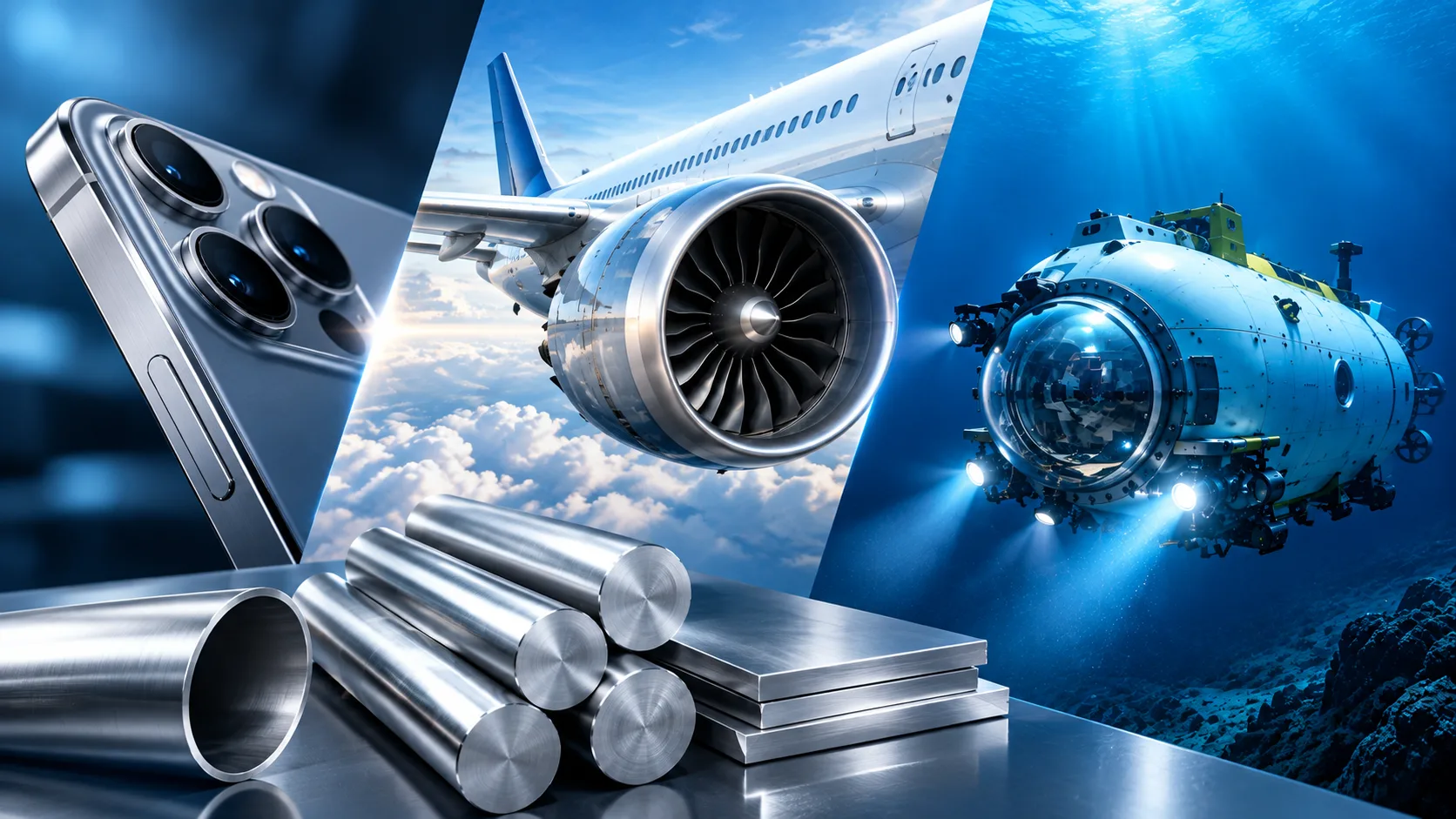
Have you ever wondered: what do the middle frame of your flagship phone, the blades of an aircraft engine flying in the sky, and the deep-sea submersible that once descended to 10,909 meters in the Mariana Trench have in common?
The answer may surprise you—they may well use something from the same “material family”: titanium alloys.
This is not a coincidence, but a phenomenon known in materials science as “technology spillover”: a high-end technology originally developed for extreme environments gradually “spills over” into ordinary people’s daily lives as costs fall and processes mature.
Today let’s talk about this, and get to know a name you may never have heard of but have certainly indirectly encountered—TC9.
First, Let’s Get One Thing Straight: What Makes Titanium Alloys So “Great”?
Before going deeper into TC9, it is necessary to understand why the titanium alloy family has been “targeted” by the aerospace field.
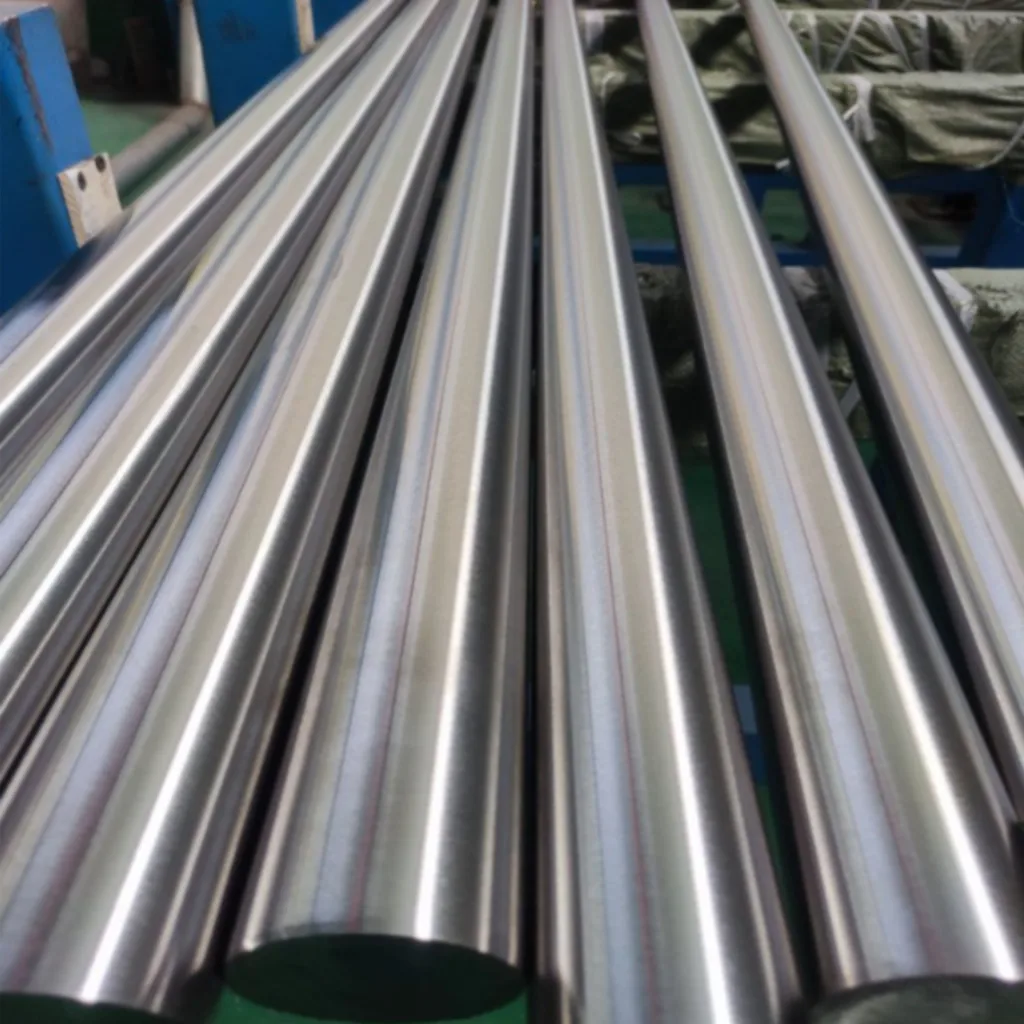
Titanium is actually not scarce in the Earth’s crust; it ranks ninth, more abundant than copper, nickel, and tin. But titanium is extremely difficult to extract and process, and it was not until the 1950s that industrial production was truly achieved. It is precious because it simultaneously possesses several properties that other metals can rarely combine:
Light. Titanium’s density is about \(4.5g/cm^3\), only about \(57\%\) that of steel and 1.6 times that of aluminum. This “middle value” is subtle—aluminum alloys are lighter but not strong enough; steel is strong enough but too heavy. Titanium alloys sit right in a “light yet strong” position.
Strong. The specific strength of titanium alloys (the ratio of strength to density) ranks among the top of all engineering metallic materials. Ordinary steel has a tensile strength of about 400–500 MPa, while titanium alloys can easily exceed 1,000 MPa.
Corrosion-resistant. Titanium naturally forms a dense oxide film on its surface. This film is extremely stable and remains intact in seawater, chloride solutions, and most acid and alkali environments. This is also why titanium alloys are almost “immune” to common corrosion in marine engineering and chemical equipment.
Heat-resistant. This point is especially critical. Aluminum alloys begin to soften noticeably above while some titanium alloys can serve long-term at or even higher.
It is precisely the combination of these properties that has bound titanium alloys to aerospace since their birth. Aircraft engines need materials that are light and heat-resistant; deep-sea equipment needs materials that are light and corrosion-resistant—titanium alloys seem almost tailor-made for these extreme scenarios.
Enter the Protagonist: What Is TC9?
There are many grades of titanium alloys. The most internationally renowned is TC4 (Ti-6Al-4V), the world’s most widely used titanium alloy, known as the “jack-of-all-trades” of titanium alloys. But today we are talking about another contender—TC9.
Its composition has meaning:
- – Ti: titanium, the base element
- – 6.5Al: 6.5% aluminum. Aluminum is an α-phase stabilizer and can improve the alloy’s high-temperature strength and oxidation resistance.
- – 3.5Mo: 3.5% molybdenum. Molybdenum is a β-phase stabilizer and can enhance the alloy’s strength and creep resistance.
- – 2.5Sn: 2.5% tin. Tin is a neutral element and mainly provides solid-solution strengthening.
- – 0.3Si: 0.3% silicon. The addition of silicon can significantly improve high-temperature creep resistance.
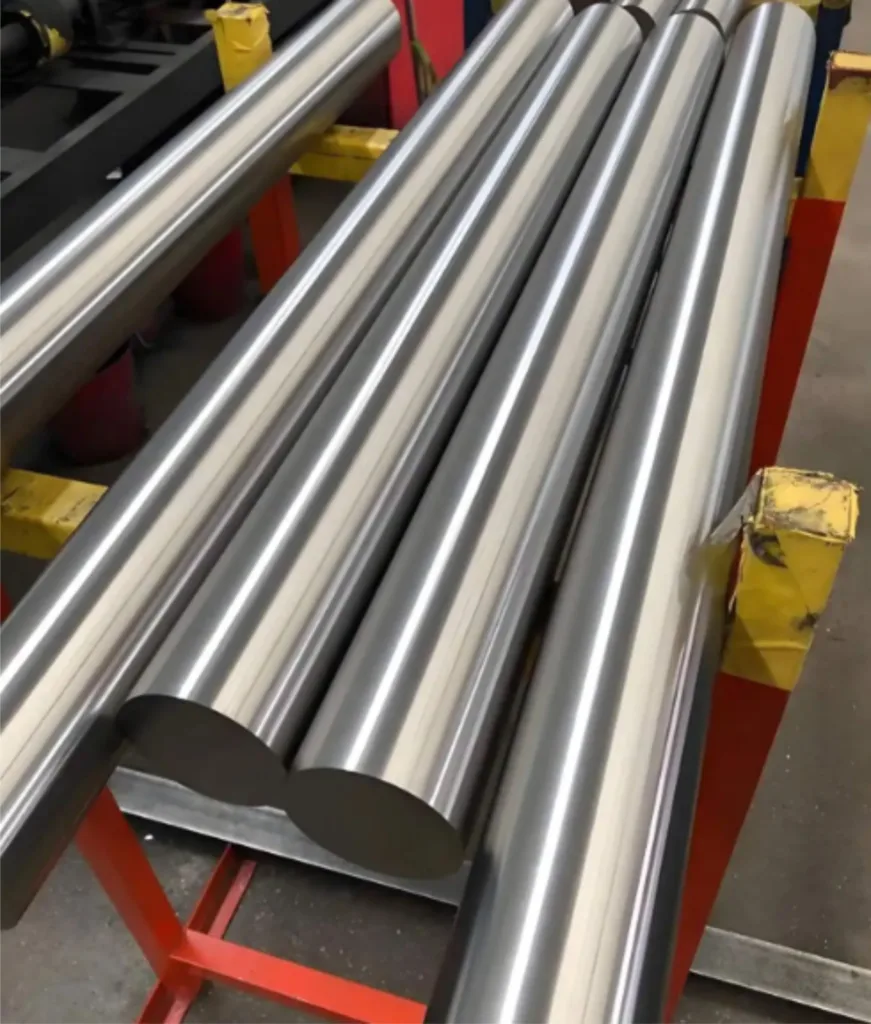
Structurally, TC9 is an -type titanium alloy, meaning it contains both α phase (hexagonal close-packed structure) and β phase (body-centered cubic structure) at room temperature, combining the advantages of both.
A key comparison is necessary here: TC4’s long-term service temperature is below about \(400^{\circ}C\). Above this temperature, its strength and creep resistance decline noticeably. TC9 was developed precisely to fill the “temperature gap” between \(400^{\circ}C\) and \(500^{\circ}C\). Its birth is essentially a sign that China’s titanium alloy material system has moved from “usable” to “good to use.”
The earliest technical source of TC9 can be traced back to high-temperature titanium alloy research in the Soviet era. On this basis, China carried out independent optimization and formed its own grade system and production standards.
TC9’s Three “Hard Talents”
Talent One: It Still “Doesn’t Go on Strike”
The number \(500^{\circ}C\) may not give many people an intuitive sense. Let’s make an analogy.
The maximum temperature of a household oven is usually around \(250^{\circ}C\). Industrial high-temperature ovens can reach \(300–350^{\circ}C\). But \(500^{\circ}C\) is already close to the “limit comfort zone” of some metallic materials—aluminum alloys have long since softened into a lump at this temperature; ordinary steel will not melt, but its strength drops sharply and oxidation accelerates.
At \(500^{\circ}C\), TC9’s tensile strength still remains at 750–800 MPa. What does this mean? It means that at \(500^{\circ}C\), TC9’s strength still exceeds that of most steel at room temperature.
Moreover, TC9 does not just “hold up”; its “staying power” at high temperature is also outstanding. At \(550^{\circ}C\) for 100 hours, TC9’s creep strain does not exceed \(0.2\%\). Creep is the phenomenon of a material slowly deforming under high temperature and constant load—you can imagine it as a rubber band being slowly stretched at high temperature. The smaller the creep strain, the more stable the material stands at high temperature. A creep strain of \(0.2\%\) is almost negligible for precision equipment such as aero engines.
Talent Two: Nearly Half the Weight of Steel, Yet Far Stronger
Its density is \(4.52g/cm^3\), while ordinary structural steel has a density of about \(7.85g/cm^3\). Converted, TC9 is about \(42\%\) lighter than steel.
But light does not mean weak. TC9’s annealed tensile strength reaches over 1,050 MPa, and its yield strength reaches over 950 MPa. By comparison, ordinary carbon steel has a tensile strength of about 400–500 MPa, and high-strength alloy steel can reach 800–1,000 MPa. In other words, while reducing weight by \(42\%\), TC9 is stronger than most high-strength steels.
Here is a vivid analogy: suppose you have two rods of the same thickness, one TC9 and one ordinary steel. The TC9 one feels noticeably lighter in your hand, but if you place it between two supports and hang a heavy object from the middle, it can bear several times the weight of the steel rod. This is the concept of “specific strength”—load-bearing capacity per unit weight.
For aero engines, what does this property mean? It means that every bit of weight removed from each compressor blade is ultimately converted into a higher thrust-to-weight ratio and lower fuel consumption. There is an old saying in aviation: “Strive to save every gram of weight.” TC9’s existence turns this slogan into quantifiable engineering reality.
Talent Three: In the Sea and in Chemical Media, It Is Almost “Invulnerable”
Titanium alloy’s corrosion resistance comes from the titanium oxide film that spontaneously forms on its surface. This film is only a few nanometers thick, but it is extremely dense and stable. Once scratched, it instantly “self-heals” and re-forms. This self-repairing passive film mechanism gives titanium alloys an almost “immortal body” in corrosive environments.
TC9 exhibits excellent corrosion resistance in seawater, chloride solutions, weakly acidic and neutral media, and can effectively resist pitting corrosion, crevice corrosion, and stress corrosion cracking. This means it is not just “does not rust on the surface,” but resists various forms of corrosive attack from the inside out.
Compare: ordinary stainless steel may show pitting in seawater within a few months, while TC9 can serve for decades in the same environment. The gap is not “a little better,” but a difference in orders of magnitude.
From “the Sky” to “the Hand”: A Brief History of Titanium Alloy Technology Spillover
After understanding TC9’s capabilities, the matter of “technology spillover” becomes much clearer.
Titanium alloys’ earliest applications were almost entirely concentrated in aerospace and military fields. The reason is simple: the needs were most urgent, budgets were most ample, and performance requirements were most stringent. In the 1950s–1960s, the U.S. SR-71 “Blackbird” reconnaissance aircraft used a large amount of titanium alloy structures because it had to withstand high temperatures while flying at Mach 3; the Soviet Union’s nuclear submarines and space program were also early promoters of titanium alloys.
China started later in the titanium alloy field, but caught up quickly. Starting in the 1960s with the layout of a rare metal processing base in Baoji, China gradually established a complete titanium industrial system from titanium sponge preparation to smelting, processing, and deep processing. Today, China has become the world’s largest producer and consumer of titanium metal, and Baoji alone produces one-third of the world’s titanium materials.
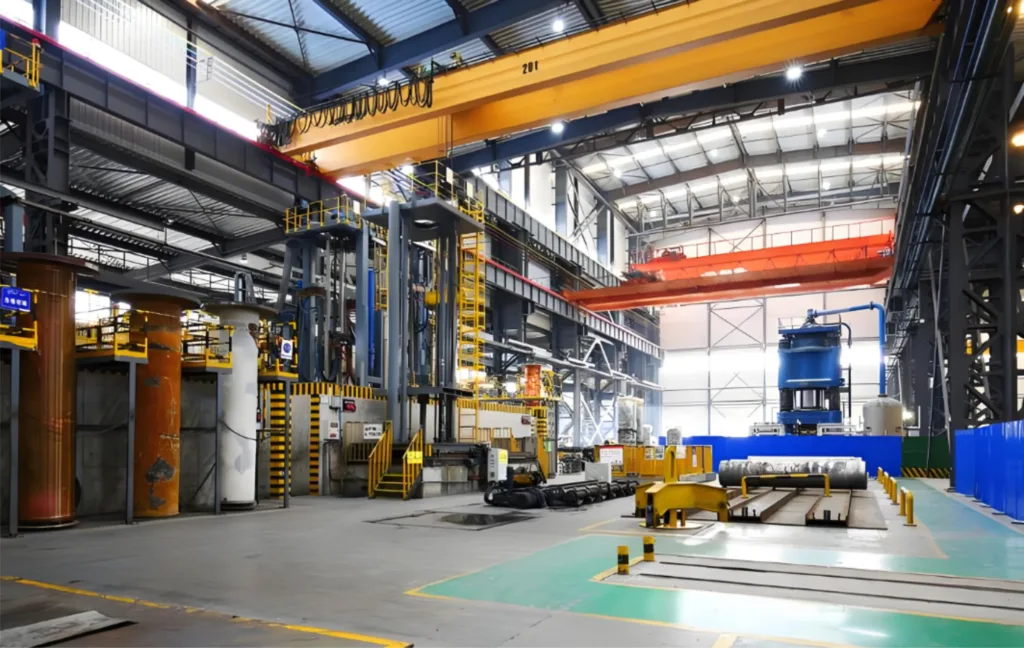
The key turning point occurred in the last decade. As titanium alloy processing technology matured and economies of scale emerged, the cost of titanium materials continued to fall. Baoti Group’s production capacity increased from 5,000 tons of sheet per year to an annual output of 10,000 tons, and it can produce more than 500 categories of titanium and titanium alloy products. This laid the material foundation for titanium alloys to move from “high-end” to “civilian.”
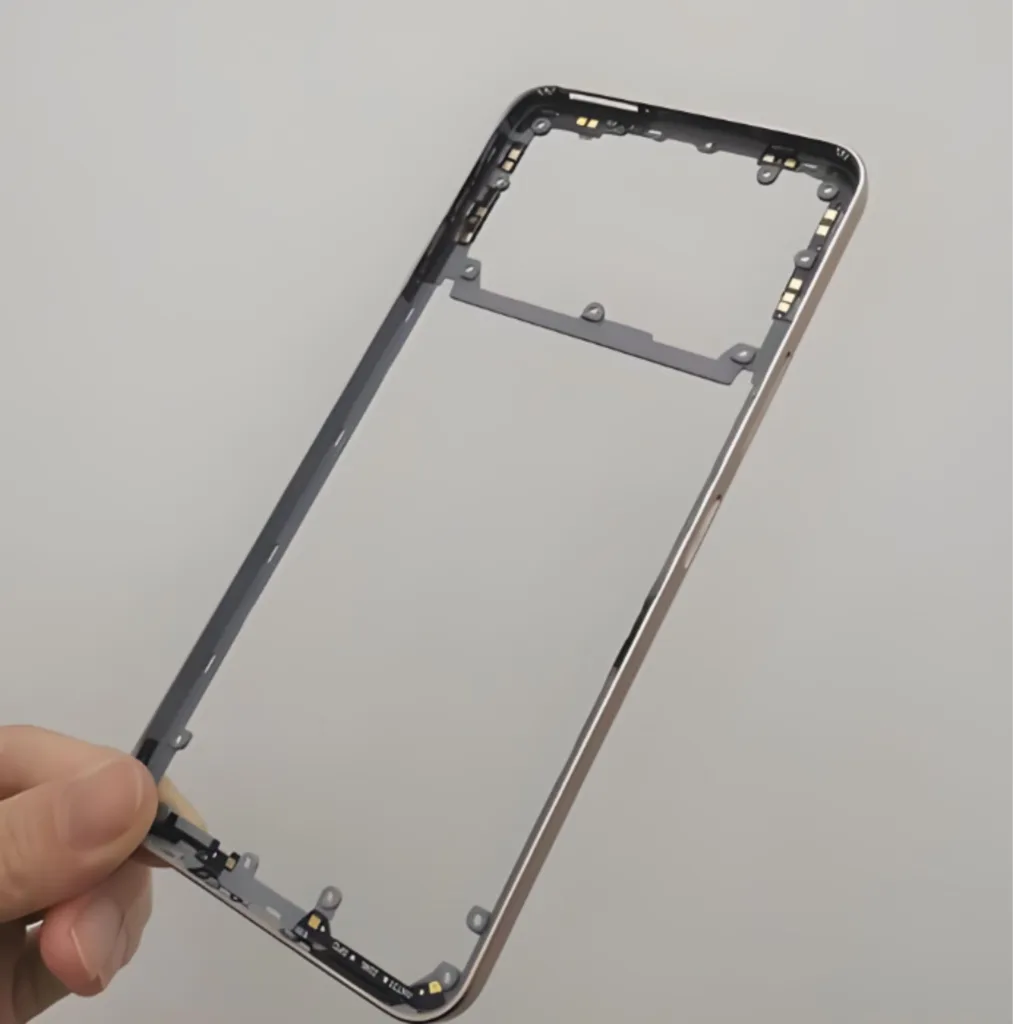
The consumer electronics industry is the most eye-catching beneficiary of this wave of “titanium alloy moving downmarket.” In 2023, Apple adopted an aerospace-grade titanium middle frame for the first time on the iPhone 15 Pro series, replacing the previous stainless steel material. Subsequently, Samsung Galaxy S24/S25 Ultra, Huawei Mate 70 Pro+, Xiaomi 14 Pro Titanium Special Edition, and other flagship models followed suit. By 2025, the global penetration rate of titanium alloy middle-frame phones rose rapidly from \(8\%\) in 2024 to \(25\%\), and the market size of titanium alloy middle frames for consumer electronics exceeded RMB 8 billion.
The rapid spread of titanium alloys in consumer electronics is driven by maturing processes. The yield rate of Apple’s “forging + CNC” process for iPhone titanium alloy middle frames rose from \(35\%\) in 2023 to \(55\%\) in 2025, and unit costs fell by \(30\%\) accordingly. Xiaomi’s MIM (metal injection molding) titanium alloy middle-frame shipments exceeded 2 million units, and Honor’s titanium alloy hinges produced with 3D printing technology surpassed 500,000 folds in folding life.
But there is an easily overlooked detail: the titanium materials used in consumer electronics are not the same grade as TC9. Phone middle frames mostly use pure titanium or TC4, because consumer electronics do not have a high demand for heat resistance; they value lightweightness, texture, and processability more. TC9’s real battlefield remains in those “hardcore” scenarios that must simultaneously face high temperature and high stress.
TC9’s Three “Hardcore” Application Scenarios
Scenario One: The “Heart” of an Aero Engine
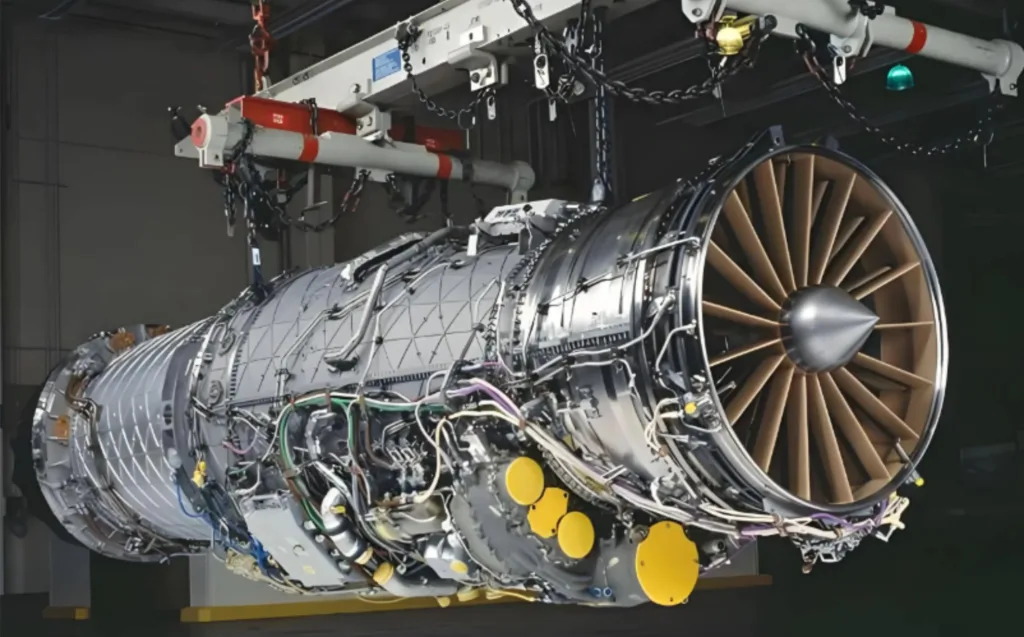
Aero engines are called “the jewel in the crown of industry,” and compressor disks and blades are the “heart” of this jewel.
The compressor’s job is to compress the air entering the engine to a high-pressure state, providing sufficient oxygen for the combustion chamber. This process generates a large amount of heat—the further back the compressor stage, the higher the operating temperature. By the rear stages of the high-pressure compressor, temperatures can reach 450–500°C or even higher.
In this temperature range, TC4 is already overstretched. TC9 was designed precisely for this “temperature window.” It is used to manufacture high-pressure compressor disks and blades for aero engines. In the engine of the domestically produced large aircraft C919 and the power systems of Long March series rockets, TC9 is gradually replacing traditional nickel-based alloys to reduce weight.
Why is “weight reduction” so important in aviation? An intuitive conversion: for every kilogram an aircraft loses, the fuel cost saved over its entire service life is considerable. For rockets, weight reduction is even more significant—every kilogram reduction in payload directly lowers launch costs.
Scenario Two: The “Armor” of a Deep-Sea Submersible
If aero engines test titanium alloy’s “heat resistance,” then deep-sea submersibles test its “pressure resistance + corrosion resistance.”
The harshness of the deep-sea environment may exceed many people’s imagination. At a depth of 10,000 meters in the Mariana Trench, water pressure is about 1,100 atmospheres—equivalent to about 1.1 tons of weight per square centimeter. At the same time, the high concentration of chloride ions in seawater is extremely corrosive to most metal materials.
Titanium alloys became the preferred material for deep-sea manned submersible pressure hulls precisely because they simultaneously satisfy the three dimensions of lightweightness, high strength, and corrosion resistance. China’s “Jiaolong” and “Shenhai Yongshi” (Deep Sea Warrior) manned submersibles both selected Ti-6Al-4V (TC4) series titanium alloys as the material for their manned cabins.
The “Fendouzhe” (Striver) went further. Its manned cabin used a new titanium alloy called Ti62A, independently developed by a team at the Institute of Metal Research, Chinese Academy of Sciences. This spherical hull is currently the world’s largest and most occupant-capable manned cabin spherical hull, helping Fendouzhe set China’s manned deep-diving record of 10,909 meters in the Mariana Trench.
It should be noted that TC9 is not the main material for deep-sea submersibles—deep-sea scenarios value corrosion resistance and low-temperature toughness more, and have little demand for heat resistance. But TC9 and Ti62A both belong to China’s independently developed titanium alloy system and share a similar technical foundation. It can be said that China’s technical accumulation in high-temperature titanium alloys for aero engines provided important “technical underpinnings” for the development of deep-sea titanium alloys.

Scenario Three: Daily Applications That Are “Spilling Over”
Back to the question at the beginning: why might your phone frame and an aircraft’s “heart” use the same metal?
Strictly speaking, they may not use the same grade, but they come from the same material family and share the same technical system. Moreover, as titanium alloy processing costs continue to fall, members of this “family” are appearing more and more in daily life.
Eyeglass frames are one of the earliest categories in which titanium alloys “moved down” to the consumer end. The advantages of titanium alloy eyeglass frames are direct: light—\(30\%–40\%\) lighter than ordinary metal frames; corrosion-resistant—not corroded by sweat; hypoallergenic—titanium has excellent biocompatibility and does not cause skin allergic reactions.
Phone middle frames are the largest incremental scenario in recent years. Foldable phones have especially demanding requirements for middle-frame materials—large size when unfolded, thin body, sufficient structural support, and as light as possible. Titanium alloy middle frames have significantly better bending resistance than aluminum alloys while achieving lightweightness, better protecting the screen and internal components.
Insulated cups and cookware are another interesting scenario. Currently, titanium cups and titanium pans on the market mainly use commercially pure titanium (TA0, TA1, etc.) rather than TC9, because cookware does not require high strength and values pure titanium’s antibacterial properties and the fact that it does not leach harmful substances. But the growth rate of the titanium cookware market is astonishing—from 2023 to 2025, the compound growth rate of titanium cookware transaction value on JD.com reached \(109\%\).
Medical implants are the most heartwarming direction of titanium alloy “technology spillover.” Titanium alloy artificial hip joints, spinal orthoses, dental implants, and other products leverage another core advantage of titanium—biocompatibility. Titanium does not trigger rejection by the human immune system, and bone cells can grow directly on the titanium surface, achieving “osseointegration.” In 2025, global medical titanium alloy usage accounted for \(23\%\) of total civilian usage, and the weight-bearing walking rate of patients six months after surgery with 3D-printed titanium alloy artificial hip joints reached \(92\%\).
Golf club heads, mountaineering gear, diving equipment… titanium alloys’ application boundary is still expanding. In 2025, China’s titanium alloy consumption reached 170,000 tons, a year-on-year increase of \(17.2\%\). From major national equipment that “goes to the sky and into the sea” to daily items “held in the hand,” titanium alloys are completing a quiet “democratization.”
Why Is “Technology Spillover” Worth Paying Attention To?
The concept of “technology spillover” sounds like a term from an economics paper, but it actually describes a very simple phenomenon: a technology developed for extreme needs will naturally flow to broader civilian markets after costs fall.
Infrared thermal imaging technology is a good reference. This “black technology” that once belonged to high-end military equipment cost tens of thousands of yuan for an imported detector alone, and a semi-cooled thermal imager cost more than 400,000 yuan. Today, consumer-grade thermal imagers have dropped to the thousand-yuan level, and application scenarios have expanded from outdoor exploration to health management, privacy protection, pet care, and other fields.
GPS navigation, carbon fiber materials, memory foam, digital cameras… these things we take for granted today have almost all gone through similar “technology spillover” processes.
Titanium alloy’s “spillover” has a unique feature: unlike some technologies, it is not “downgraded” after becoming civilian. Titanium alloys’ application in consumer electronics, in turn, is also driving progress in materials technology. For example, to meet the processing precision and surface quality requirements of phone middle frames, titanium alloy grinding and polishing processes and 3D printing processes have made significant progress, and these process advances can “flow back” to the aerospace field, forming a positive cycle.
TC9: The Real-World Significance of a “Hardcore” Material
TC9 may never appear in your phone. Its heat resistance is useless in consumer electronics scenarios, and its high cost also deters consumer electronics manufacturers.
But the existence of TC9 is itself a microcosm. It represents a capability: a country can independently develop materials that work reliably in extreme environments, and this capability is moving from “solving whether it exists” to “pursuing better.” From TC4 to TC9, from “400°C” to “500°C,” from import dependence to independent controllability—behind these seemingly dry technical parameters is a complete industrial system in operation.
For ordinary people like us, knowing that “a phone frame and an aircraft engine may use the same metal” is itself interesting enough. It makes us realize that those high-end technologies that seem out of reach are actually entering our lives in various ways. You may never directly encounter TC9, but the technical path and materials philosophy represented by TC9 are changing the phone in your hand, the glasses you wear, and even the pan you cook with through “technology spillover.”
This is perhaps the most fascinating thing about materials science: it is silent, yet everywhere.