
Introduction
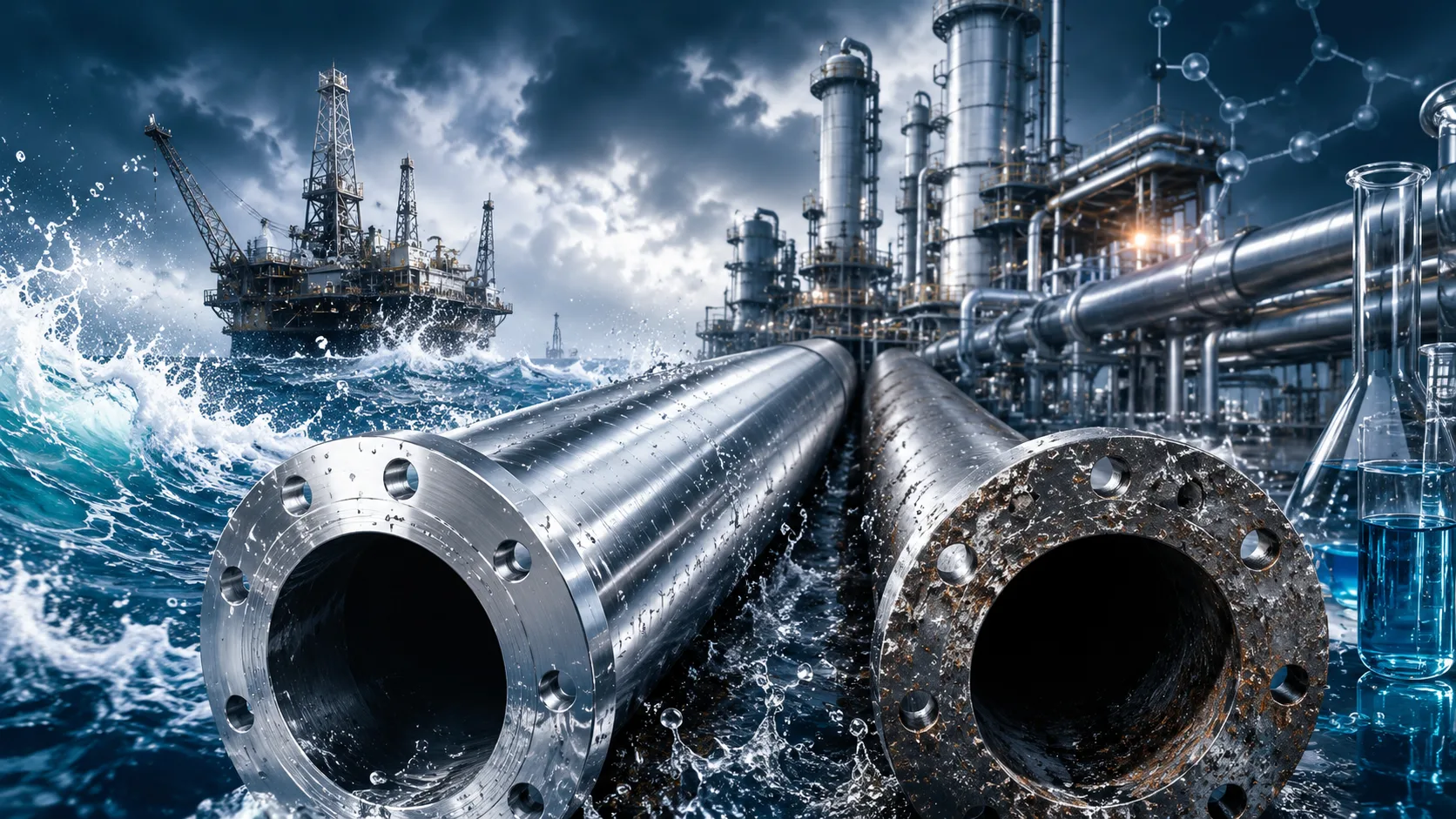
When discussing highly corrosion-resistant stainless steels, 904L is often regarded as one of the best-performing austenitic grades. Thanks to its elevated nickel and molybdenum contents, it offers excellent resistance to sulfuric acid and has become a preferred material for chemical processing, offshore engineering, and pollution control equipment.
However, modern industrial environments are becoming increasingly aggressive. High concentrations of chlorides, elevated temperatures, acidic media, and complex operating conditions have exposed the limitations of conventional stainless steels—even premium grades like 904L.
For these demanding applications, engineers increasingly turn to 1.4529 (UNS N08926 / Alloy 926), a super austenitic stainless steel specifically designed to withstand severe chloride-containing environments while delivering outstanding mechanical strength and long-term reliability.
This article explains why Alloy 926 has become one of the preferred materials for critical industrial equipment and how it compares with 904L.
What Is 1.4529 (Alloy 926)?
1.4529, internationally known as UNS N08926 or Alloy 926, is a high-alloy super austenitic stainless steel developed to bridge the performance gap between conventional stainless steels and expensive nickel-based alloys.
Its carefully optimized alloy composition combines high levels of chromium, nickel, molybdenum, copper, and nitrogen, providing exceptional resistance to localized corrosion while maintaining excellent weldability and fabrication characteristics.
Compared with 904L, Alloy 926 contains significantly more molybdenum and includes nitrogen as an alloying element, resulting in superior resistance to pitting corrosion, crevice corrosion, and chloride-induced stress corrosion cracking.
Because of these advantages, Alloy 926 is widely used in industries where equipment reliability is critical and maintenance costs are extremely high.
Chemical Composition
Typical chemical composition of Alloy 926:
| Element | Content (%) | Primary Function |
| Chromium (Cr) | 19.0–21.0 | Forms a stable passive film and improves oxidation resistance |
| Nickel (Ni) | 24.0–26.0 | Stabilizes the austenitic structure and enhances SCC resistance |
| Molybdenum (Mo) | 6.0–7.0 | Provides exceptional pitting and crevice corrosion resistance |
| Copper (Cu) | 0.5–1.5 | Improves resistance to reducing acids such as sulfuric acid |
| Nitrogen (N) | 0.15–0.25 | Increases strength and significantly enhances localized corrosion resistance |
| Carbon (C) | ≤0.02 | Minimizes the risk of intergranular corrosion |
This optimized alloy design enables Alloy 926 to deliver corrosion resistance approaching that of certain nickel-based alloys while maintaining a significantly lower material cost.
Key Advantages of Alloy 926
1. Exceptional Resistance to Pitting and Crevice Corrosion
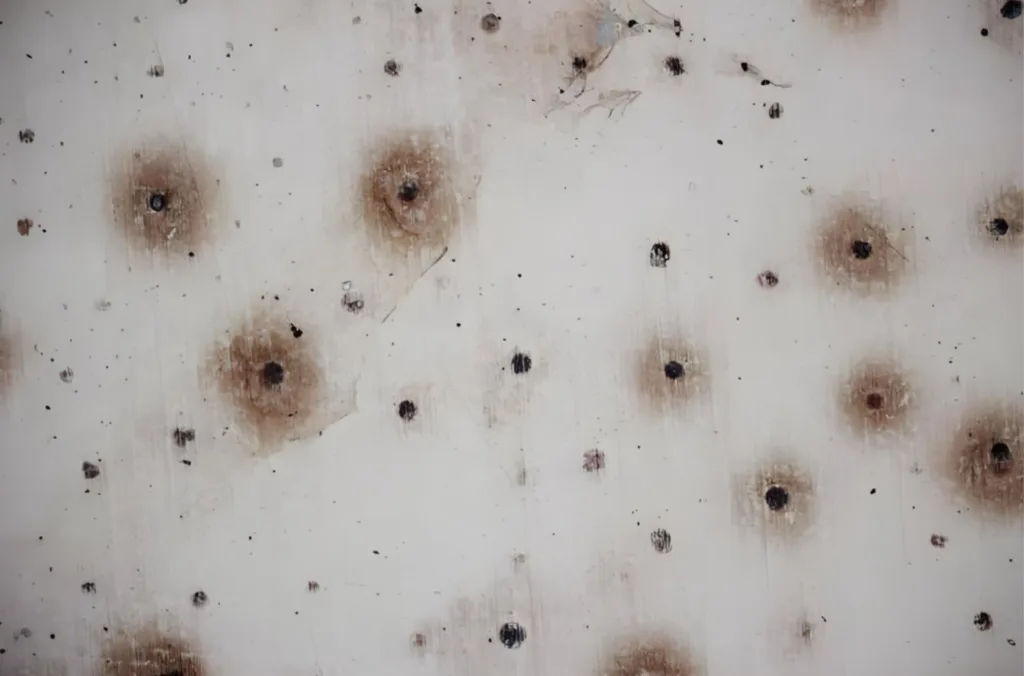
One of the most significant advantages of Alloy 926 is its outstanding resistance to localized corrosion in chloride-rich environments.
Its high molybdenum and nitrogen contents increase the Pitting Resistance Equivalent Number (PREN) to above 43, considerably higher than the typical value of approximately 35 for 904L.
Typical PREN comparison:
| Material | PREN |
| 316L | ~25 |
| 904L | ~35 |
| Alloy 926 | >43 |
This higher PREN allows Alloy 926 to perform reliably in seawater, desalination plants, flue gas desulfurization systems, and other highly aggressive chloride-containing environments.
Laboratory testing also demonstrates a significantly higher Critical Pitting Temperature (CPT) compared with conventional stainless steels, providing greater operational safety under elevated temperatures.
Mechanical Properties
In addition to its exceptional corrosion resistance, Alloy 926 also offers higher mechanical strength than conventional austenitic stainless steels. The addition of nitrogen provides significant solid-solution strengthening without sacrificing ductility or toughness.
Typical mechanical properties in the solution-annealed condition are shown below:
| Property | Alloy 926 | Typical 904L |
| Tensile Strength | 650–850 MPa | ~520 MPa |
| Yield Strength (0.2%) | ≥295 MPa | ~220 MPa |
| Elongation | ≥35% | ~35% |
| Hardness | ≤220 HB | ≤190 HB |
The higher yield and tensile strengths allow engineers to reduce wall thickness in pressure vessels, piping systems, and heat exchangers while maintaining structural integrity, resulting in lower equipment weight and improved cost efficiency.
Outstanding Corrosion Resistance
Superior Resistance to Chloride-Induced Corrosion
Chloride ions are among the most aggressive corrosive agents affecting stainless steels. They attack the passive oxide film on the material surface, initiating localized corrosion such as pitting and crevice corrosion.
Thanks to its high chromium, molybdenum, and nitrogen contents, Alloy 926 exhibits exceptional resistance under these conditions. It performs reliably in:
- Natural seawater
- Brackish water
- Chloride-containing sulfuric acid
- Chloride-containing phosphoric acid
- Industrial process solutions
- High-salinity cooling water
Compared with 904L, Alloy 926 provides significantly longer service life in chloride-rich environments, making it an ideal material for critical industrial equipment.
Excellent Resistance to Stress Corrosion Cracking (SCC)
Stress corrosion cracking (SCC) is one of the most dangerous failure mechanisms for stainless steels because cracks may develop suddenly without obvious warning.
With a nickel content of approximately 25%, Alloy 926 offers excellent resistance to chloride-induced SCC. Long-term industrial testing has demonstrated reliable performance in environments containing:
- Chloride concentrations up to tens of thousands of ppm
- Acidic slurry systems
- Elevated operating temperatures
- Continuous mechanical stress
These characteristics make Alloy 926 particularly suitable for chemical plants, power stations, offshore facilities, and marine engineering applications where equipment reliability is essential.
Wide Operating Temperature Range
Alloy 926 maintains excellent toughness and corrosion resistance over a broad temperature range.
Recommended service temperature:
−196°C to 400°C
At cryogenic temperatures, the alloy retains outstanding impact toughness, making it suitable for low-temperature process systems.
At elevated temperatures, it continues to provide stable corrosion resistance and mechanical properties in demanding industrial environments.
This wide operating range enables Alloy 926 to be used in applications involving rapid temperature fluctuations or continuous thermal cycling.
Typical Industrial Applications
Because of its exceptional corrosion resistance and mechanical performance, Alloy 926 is widely used in industries where conventional stainless steels cannot provide sufficient service life.
Typical applications include:
Flue Gas Desulfurization (FGD)
- Absorber towers
- Spray nozzles
- Dampers
- Butterfly valves
- Process piping
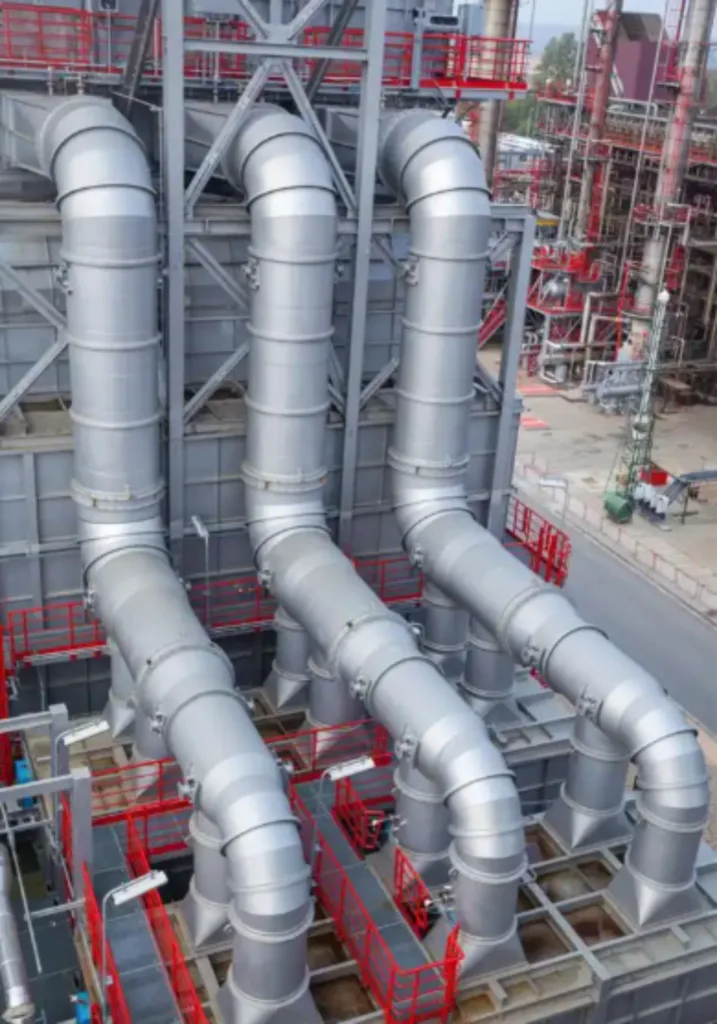
FGD systems contain acidic chloride-rich slurry that can rapidly attack conventional stainless steels. Alloy 926 has proven to be one of the most reliable materials for long-term operation in these environments.
Seawater Desalination
The alloy is widely used in:
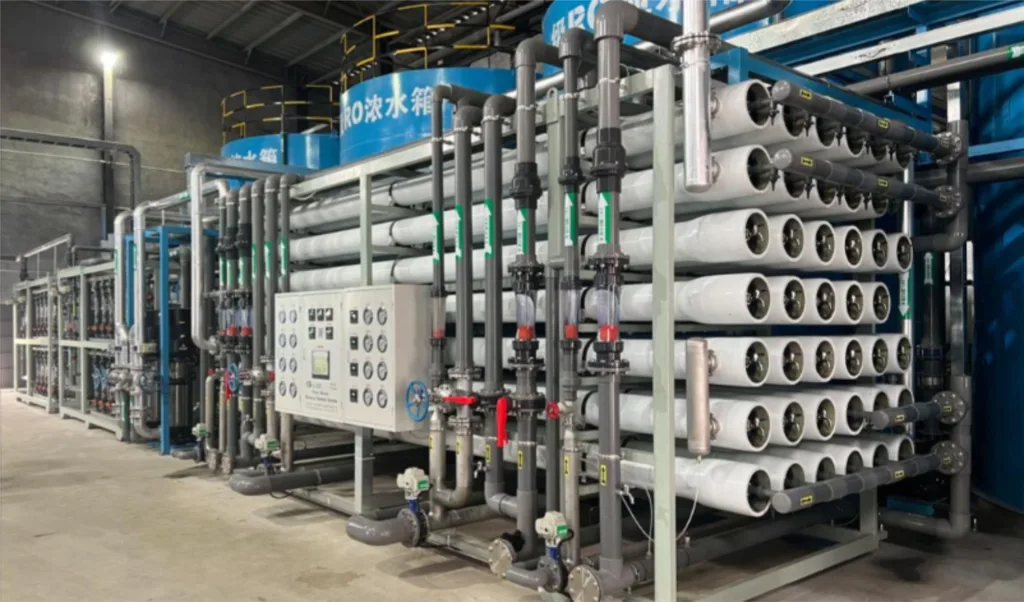
- Reverse osmosis systems
- High-pressure piping
- Heat exchangers
- Pumps
- Valves
Its excellent resistance to seawater corrosion significantly reduces maintenance costs and extends equipment service life.
Chemical Processing
Suitable for equipment handling:
- Sulfuric acid
- Phosphoric acid
- Mixed acids
- Chloride-containing chemical solutions
Typical equipment includes:
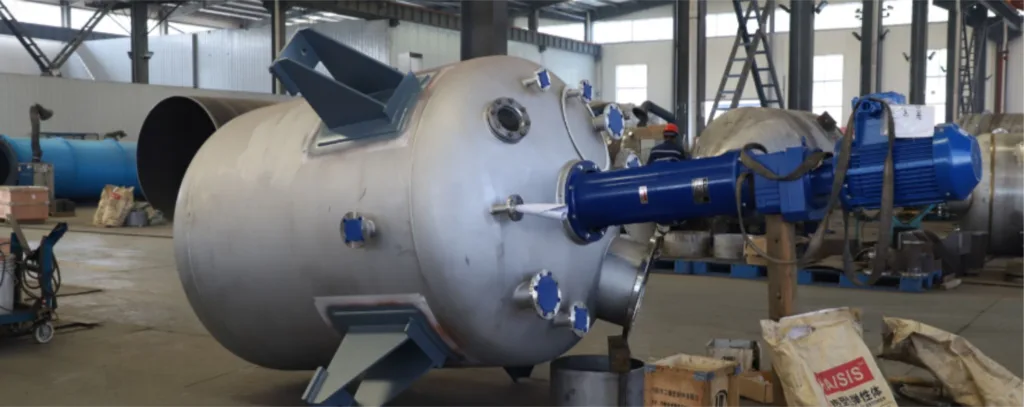
- Reactors
- Evaporators
- Heat exchangers
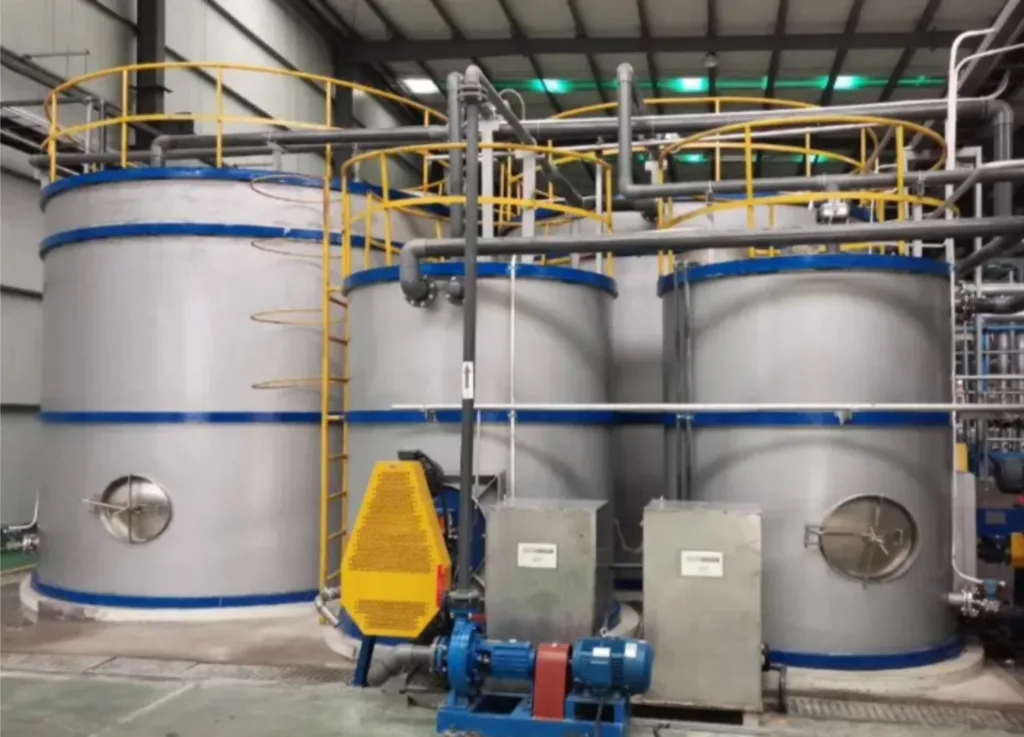
- Storage tanks
- Process piping
Offshore and Marine Engineering
Alloy 926 is extensively applied in offshore platforms and marine installations, including:
- Firewater systems
- Seawater cooling systems
- Hydraulic tubing
- Marine piping
- Offshore processing equipment
Its excellent resistance to seawater corrosion ensures long-term operational reliability under harsh marine conditions.
Alloy 926 vs. 904L: Which Material Should You Choose?
Although both 904L and Alloy 926 belong to the family of high-alloy austenitic stainless steels, they are designed for different service conditions.
| Property | 904L | Alloy 926 (1.4529) |
| UNS Number | N08904 | N08926 |
| DIN Number | 1.4539 | 1.4529 |
| Chromium | 19–23% | 19–21% |
| Nickel | 23–28% | 24–26% |
| Molybdenum | 4–5% | 6–7% |
| Nitrogen | — | 0.15–0.25% |
| PREN | ~35 | >43 |
| Tensile Strength | ~520 MPa | 650–850 MPa |
| Service Temperature | -100°C to 300°C | -196°C to 400°C |
| Resistance to SCC | Good | Excellent |
| Relative Cost | Lower | Higher |
Choose 904L when:
- Sulfuric acid is the primary corrosive medium.
- Chloride concentration is relatively low.
- Operating temperatures remain below approximately 50°C.
- Budget considerations are a major factor.
- Moderate corrosion resistance is sufficient.
Choose Alloy 926 when:
- The process medium contains high concentrations of chlorides.
- Seawater or brine is involved.
- Equipment operates at elevated temperatures.
- Long service life and high reliability are essential.
- Shutdown or replacement costs are extremely expensive.
In other words, 904L is an excellent engineering material, while Alloy 926 is the preferred solution for the most demanding corrosive environments.
Welding and Fabrication
Despite its high alloy content, Alloy 926 exhibits excellent fabrication characteristics.
Welding
Common welding processes include:
- GTAW (TIG)
- GMAW (MIG)
- SMAW
- PAW
To maintain corrosion resistance equivalent to the base metal, matching high-alloy filler metals such as ERNiCrMo-3 or ERNiCrMo-4 are generally recommended.
Unlike many high-performance alloys, Alloy 926 typically does not require post-weld solution annealing, simplifying on-site fabrication and reducing project costs.
Forming and Machining
Alloy 926 offers good cold-forming and hot-forming capabilities.
Because of its higher strength compared with conventional stainless steels, machining requires greater cutting forces and appropriate tooling. Lower cutting speeds and adequate cooling are recommended to achieve optimal surface quality and tool life.
Heat Treatment
Recommended solution annealing conditions:
- Temperature: 1100–1170°C
- Cooling: Rapid water quenching
This treatment restores corrosion resistance and ensures a fully austenitic microstructure.
Conclusion
1.4529 (UNS N08926 / Alloy 926) is one of today’s most capable super austenitic stainless steels for highly aggressive industrial environments.
Its unique combination of approximately 25% nickel, 6–7% molybdenum, 0.2% nitrogen, and very low carbon provides outstanding resistance to pitting corrosion, crevice corrosion, chloride-induced stress corrosion cracking, and reducing acids.
Compared with 904L, Alloy 926 offers:
- Higher localized corrosion resistance
- Greater mechanical strength
- Wider service temperature range
- Longer equipment life in chloride-rich environments
- Lower lifecycle cost despite a higher initial material price
For applications such as flue gas desulfurization (FGD), seawater desalination, offshore engineering, chemical processing, and marine systems, Alloy 926 represents an excellent balance between performance, reliability, and economic value.
When corrosion conditions exceed the capabilities of conventional stainless steels, Alloy 926 becomes the material of choice for engineers seeking long-term operational safety and durability.
FAQ
Is Alloy 926 better than 904L?
Yes. Alloy 926 generally offers superior resistance to pitting corrosion, crevice corrosion, and chloride-induced stress corrosion cracking due to its higher molybdenum and nitrogen contents.
What is the PREN value of Alloy 926?
The PREN of Alloy 926 typically exceeds 43, significantly higher than the approximately 35 of 904L, indicating excellent resistance to localized corrosion.
Can Alloy 926 be used in seawater?
Yes. Its excellent resistance to chloride attack makes it an ideal choice for seawater desalination systems, marine piping, offshore platforms, and seawater cooling equipment.
Is Alloy 926 suitable for welding?
Yes. Alloy 926 has excellent weldability using standard fusion welding methods. Appropriate nickel-based filler metals are recommended to preserve corrosion resistance.
What industries commonly use Alloy 926?
Typical industries include chemical processing, power generation, flue gas desulfurization (FGD), offshore oil and gas, marine engineering, seawater desalination, pulp and paper, and pollution control systems.